Don’t guess. Test.
Most people make health decisions without knowing where they actually stand.

We choose diets, supplements and routines — often based on what’s popular or what “should” work. But modern food patterns have shifted the nutrient balance in our bodies in ways few people ever measure.
That’s why testing matters.
This page focuses on understanding first — decisions can come later.
Why a test-first approach
Instead of starting with advice, a test-first approach starts with measurements you can trust.
Modern diets — high in processed foods and vegetable oils, and often low in omega-3 — have changed the balance of fatty acids in the body over time.
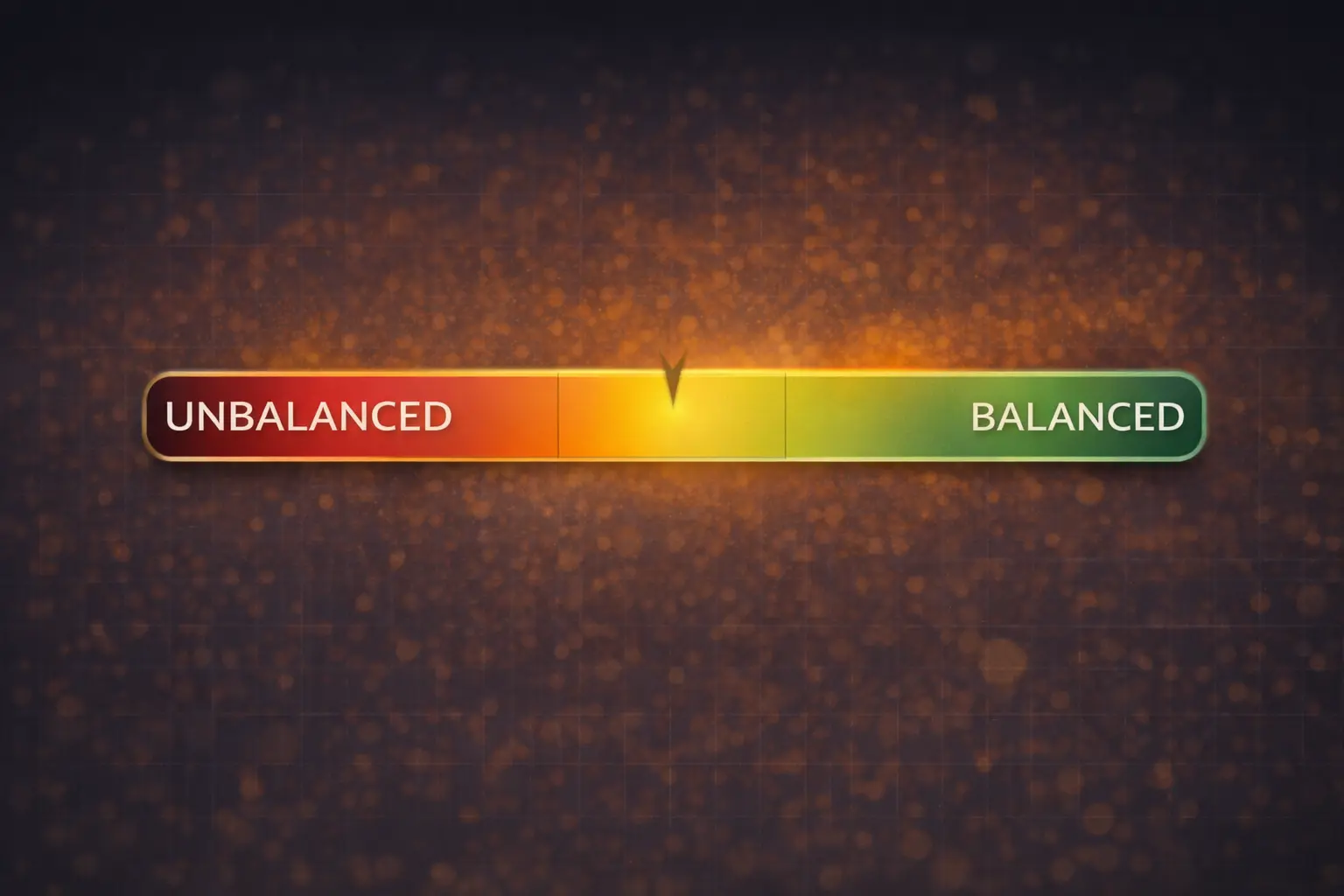
Across more than 1.5 million fatty acid tests analyzed globally, 97% were out of balance.
When you test, you see your own numbers — not a guess based on trends or averages.
Testing provides a clear reference point:
- Where your body is right now
- How it responds to changes
- Whether what you’re doing actually matters
Without that reference, progress is assumed — not observed.
What measurement really changes
Testing changes how we understand health — from assumptions to real biological context.
Knowing where you stand makes it easier to decide what to adjust — and to confirm direction over time with re-testing.
How test-based nutrition works
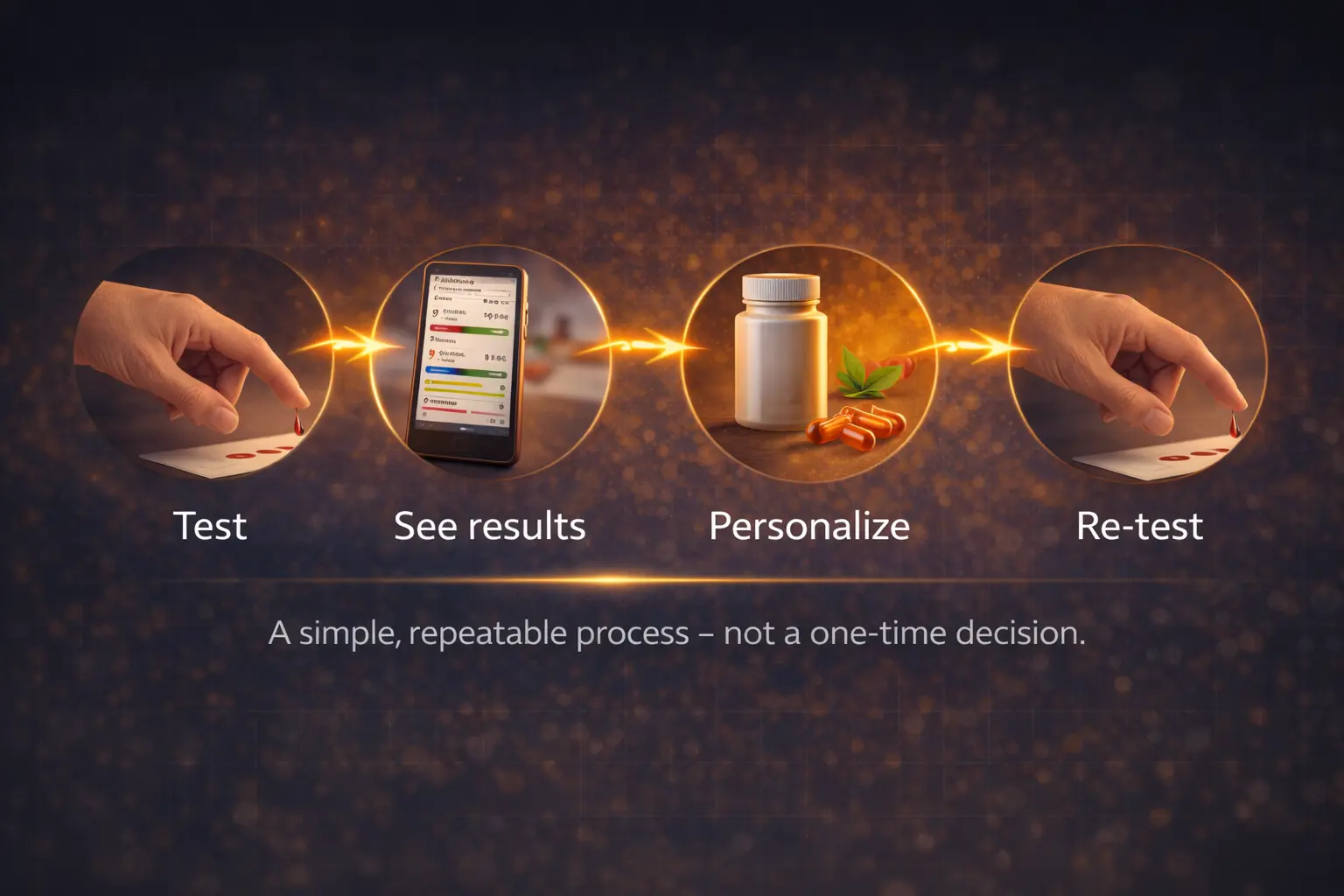
In a test-based approach, you:
- Measure markers that reflect your biology, not just symptoms
- Use the results to decide what direction makes sense
- Re-test to track real change over time
This is the logic behind moving from guesswork to insight — one measurement at a time.
What markers are measured
Depending on your goals, testing may include markers such as:
- Omega-6 : Omega-3 balance
- Gut-related indicators
- Blood sugar markers
- Vitamin D status
Each marker adds context — helping you decide what actually makes sense for your body.
Testing gives you a reference point.
A practical starting point is fatty-acid balance — it helps describe the biological environment your body is working within.
But why does omega-6:3 balance matter — and why do so many people start there?
Continue with the next guide below to understand omega-6:3 balance.
Understand Omega-6:3 balance
Learn what fatty-acid balance is, how it relates to your cells, and why it’s often used as a practical starting point.