

💎 ZinoCash
Earn credit from purchases and shipping returns. Use it on extra products — simple and automatic.

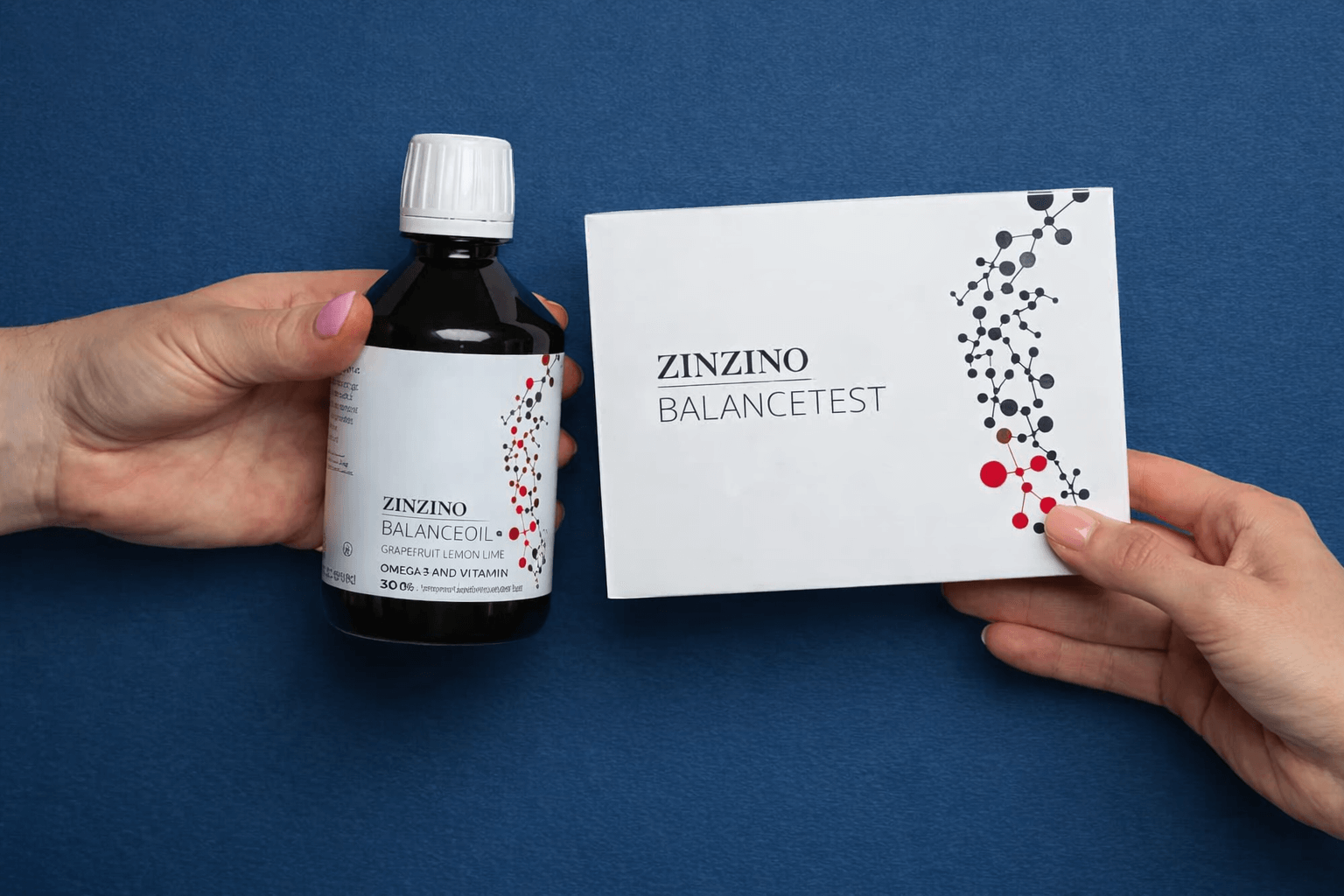
A simple home blood spot test that helps you understand a key fatty-acid marker often used to describe your body’s balance between Omega-6 and Omega-3. Use the results to make more informed choices — and re-test over time to track change.
Measure → adjust → re-measure. Two simple tests + a daily routine.
Two families of fats sit behind this balance story — Omega-6 and Omega-3. Your body needs both and cannot make them on its own, which is why they’re called essential fats.
They have different roles, so the goal isn’t to remove one, but to keep them in a helpful balance from food and supplements.
Common in plant oils, nuts and seeds.
Found in fatty fish, algae, flax, chia and walnuts.
The plant-based Omega-3 ALA (alpha-linolenic acid) is found in foods like flax and chia seeds, hemp, walnuts and leafy greens.
Many people eat these regularly and assume they are fully “covered” on Omega-3.
Your body can convert ALA into the longer-chain forms EPA and DHA — the active types used directly in cell membranes — but this conversion is limited.
Typical estimates are less than 10% for EPA and under 5% for DHA.
In short: ALA contributes, but marine or algae-based sources of EPA and DHA have a more direct impact on keeping your Omega-6:3 ratio in a balanced range.

Omega-3 and Omega-6 fatty acids are built into the cell membrane – the thin fatty layer
that surrounds every cell.
They share the same space in this outer “coat” and together help decide how
fluid and responsive that membrane can be.
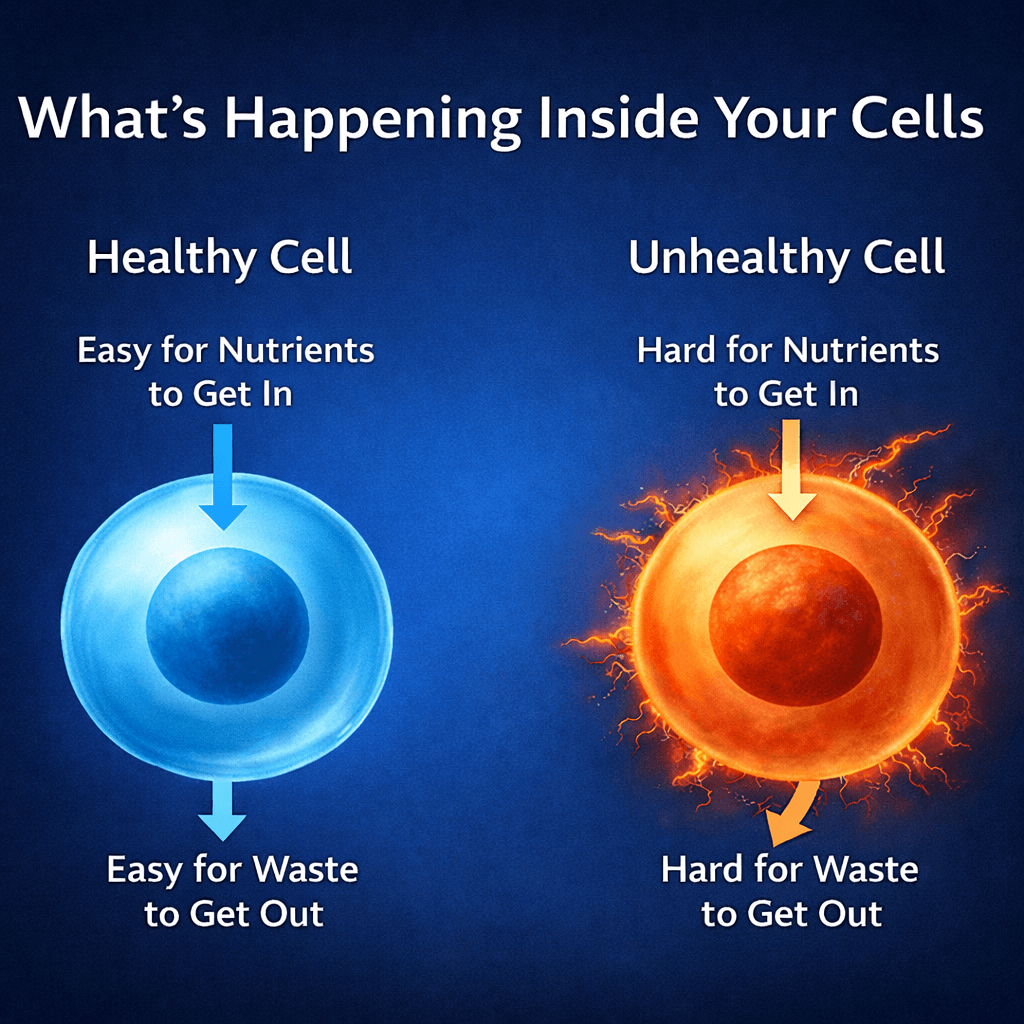
When there is much more Omega-6 than Omega-3, this layer can gradually become thicker and less flexible, and Omega-3 has less room to do its job.
Bringing in more Omega-3 helps rebalance the mix, so the membrane can better support a normal flow of nutrients, signals and waste products that keep your cells working from day to day.
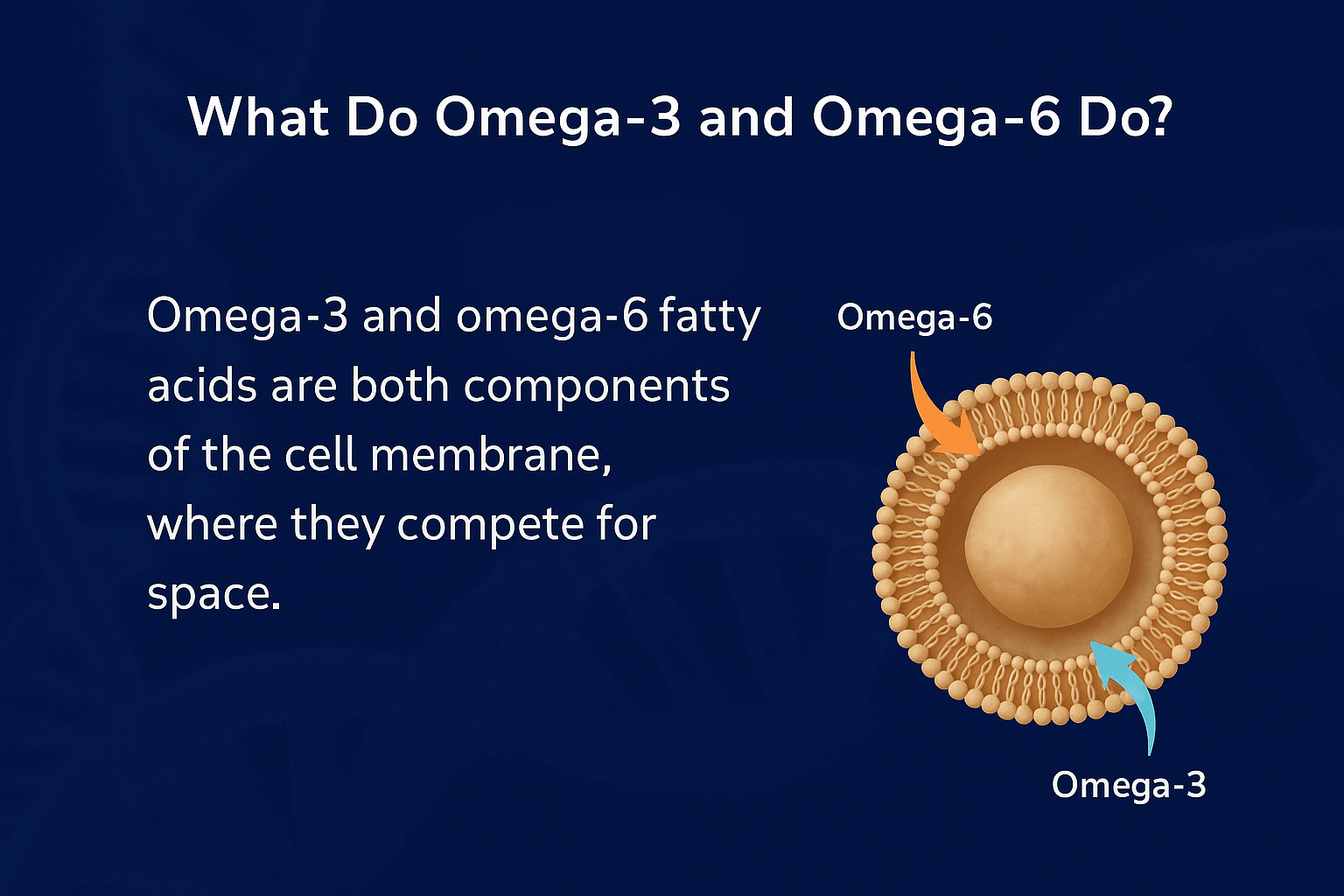
Your body uses both families together. The balance between Omega-6 and Omega-3 influences how fluid your cell membranes are and how efficiently nutrients and signals move in and out of cells.
Modern diets often skew higher in Omega-6 — especially from refined plant oils and processed foods.
That means more Omega-6 and less Omega-3 are competing for the same membrane space, so measuring and improving the ratio is a practical first step.
Here’s a simple way to picture it: the bars below show how much room Omega-6 (orange) and Omega-3 (teal) typically take up in the fatty-acid “pool” that your body can build into cell membranes.
Note: The Omega-6:3 ratio (e.g., 20:1 → 3:1) is not the same as the Omega-3 Index. The Index measures EPA+DHA in red blood cells; many programs aim for ≥ 8%. Improving both the ratio and your EPA/DHA intake typically helps move the Index upward over time.
When your Omega-6 to Omega-3 ratio sits in a balanced range, cell membranes tend to stay soft and flexible. Nutrients, oxygen and everyday signalling molecules can move in and out more smoothly, and normal waste products are carried away efficiently.
Some tissues are especially rich in these fats and depend on flexible, responsive membranes, including:
Inside the membrane, Omega-6 and Omega-3 can also be converted into short-lived signalling messengers (such as prostaglandins and other eicosanoids). They help coordinate normal processes like:
If Omega-6 gradually starts to dominate over time, the overall “tone” of these signals can shift and cell membranes can slowly become thicker and less flexible. You may not notice anything from one day to the next, but over the long term it can influence how balanced your body feels in everyday life.
That’s why it is not only about getting “more Omega-3”. The quality, protection and form of Omega-3 you use before it ever reaches your cells matters just as much as the dose.
Getting omega-3 in is one thing — keeping it protected until it reaches your cells is another. Oxidative stability matters for real-world results.
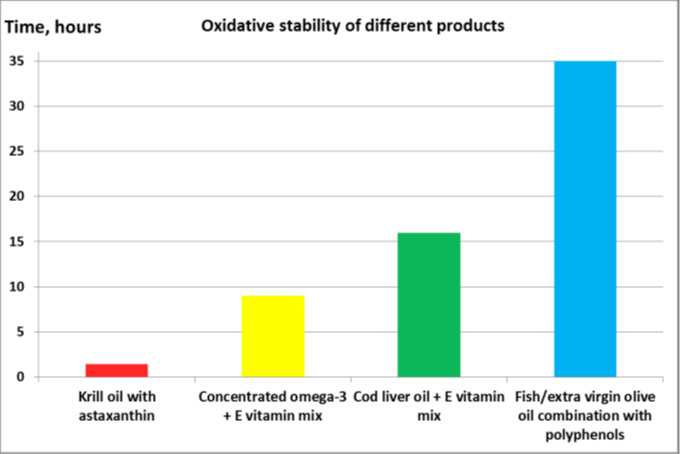
Next: what the BalanceTest actually measures — and how this shows up in your results.

The BalanceTest is a certified dried blood test that measures the balance between Omega-6 and Omega-3 fatty acids in your body.
It’s analyzed by Vitas Analytical Services in Oslo — an independent laboratory specializing in fatty acid profiling under EU/ISO standards.
Each test measures 11 key fatty acids (including EPA, DHA, AA, and LA) to provide a clear picture of your individual fatty-acid profile and balance.
Unlike a standard blood test, this analysis focuses on the fatty-acid composition of your blood — not cholesterol or inflammation markers.
It offers a unique insight into your nutritional balance over time and how effectively your body responds to dietary changes.
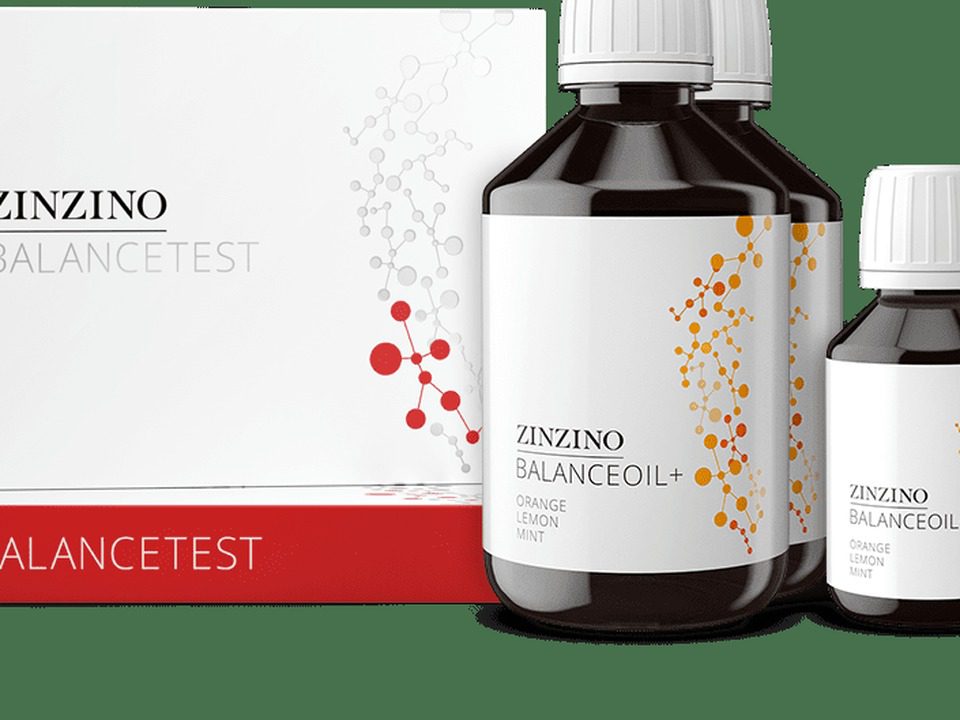
A unique blend of marine omega-3s and polyphenol-rich olive oil — designed for optimal absorption and cellular protection.
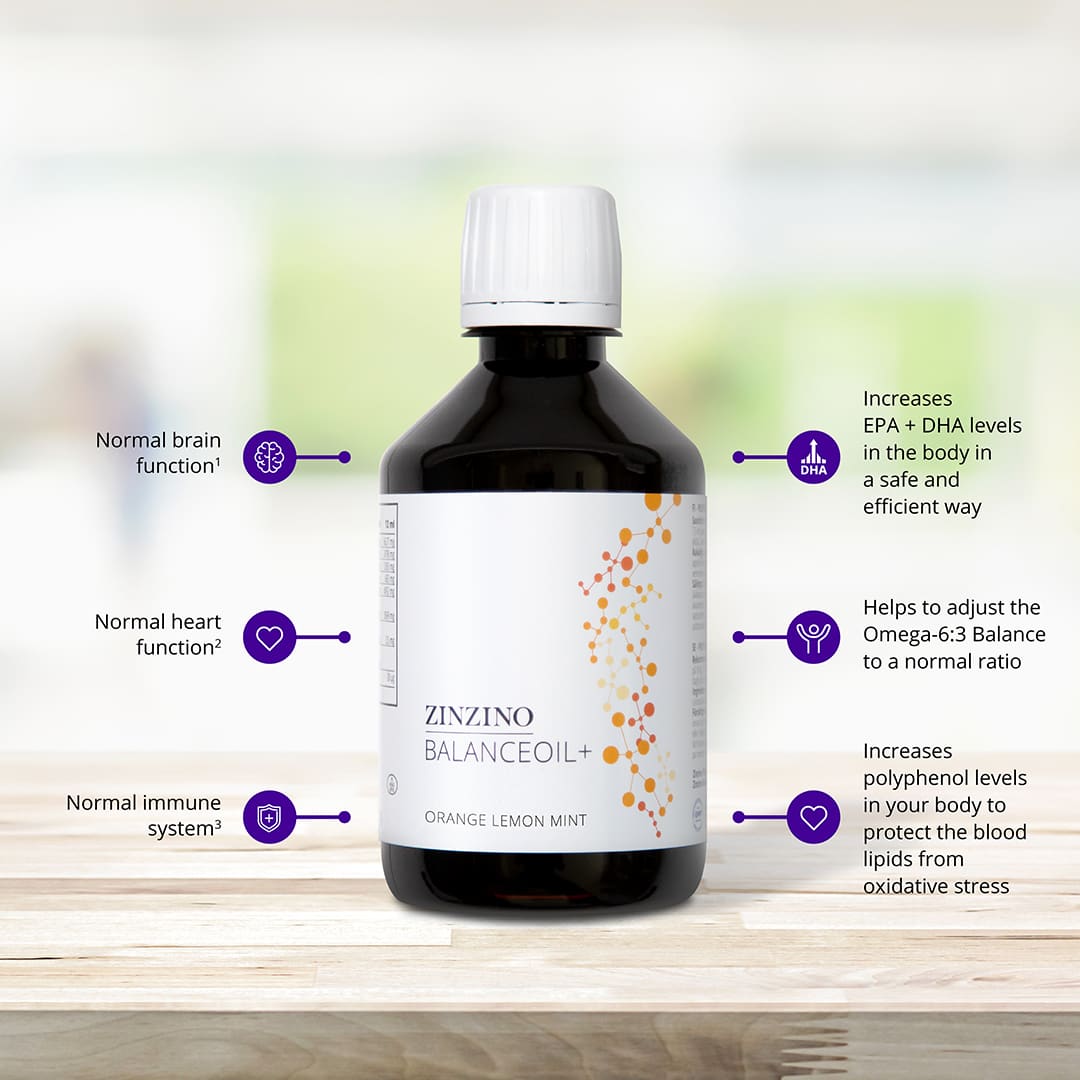
Restoring your Omega-3 balance doesn’t happen overnight — but with the right formulation, your body can gradually return to its natural equilibrium.
BalanceOil+ is made from premium marine fish oil and extra-virgin olive oil sourced from pre-harvested Spanish olives, picked before they ripen.
This preserves their polyphenol content, which helps protect the delicate omega-3 fatty acids during transport in your bloodstream — a crucial difference from ordinary fish oils.
Because of this unique combination, the body can absorb and utilize omega-3 more efficiently, supporting the natural process of restoring balance.
As new Omega-3s integrate into your cells, the membranes gradually return to a more natural, flexible state — helping your cells function normally as intended.
Independent test data show that most people start with a ratio around 15–20 : 1, and after consistent use, typically reach a healthy 3 : 1 balance within a few months — a range often used as a target for supporting normal cell, heart and brain function.*
*Based on over 1.5 million independent blood tests worldwide.
Two simple blood tests and a daily BalanceOil+ routine. Measure → adjust → re-measure so you can follow how your Omega-6:3 ratio changes over time.
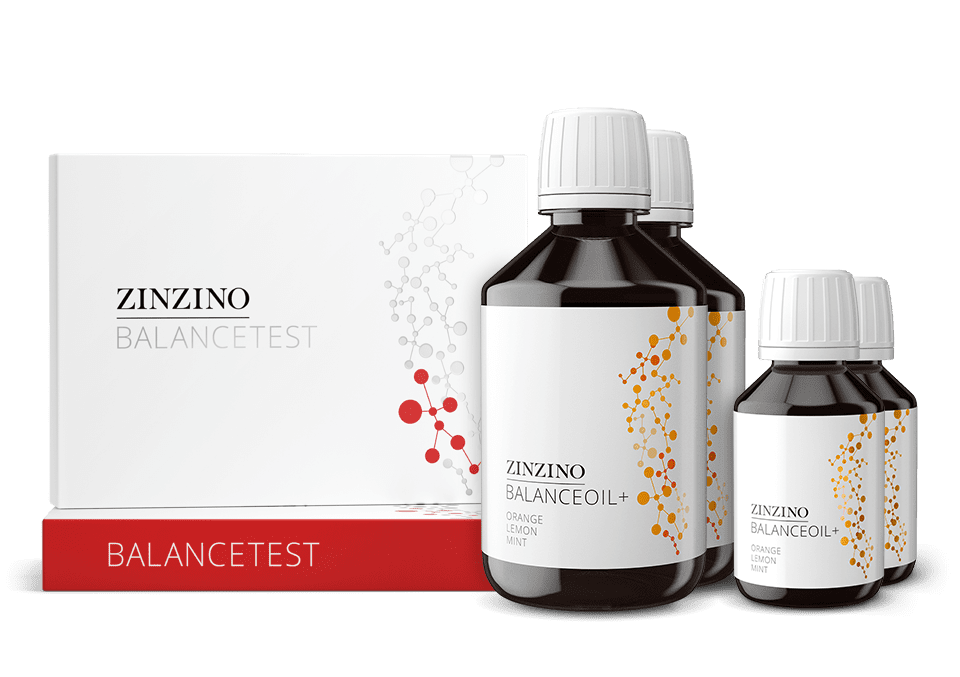
Start with a 6-month Premier subscription. You receive the Premier Kit with 2 bottles of BalanceOil+, 2 small 100 mL bottles and your first BalanceTest. Your second test ships after approximately 4 months (~120 days) — the typical time frame used between tests to allow your balance to change.
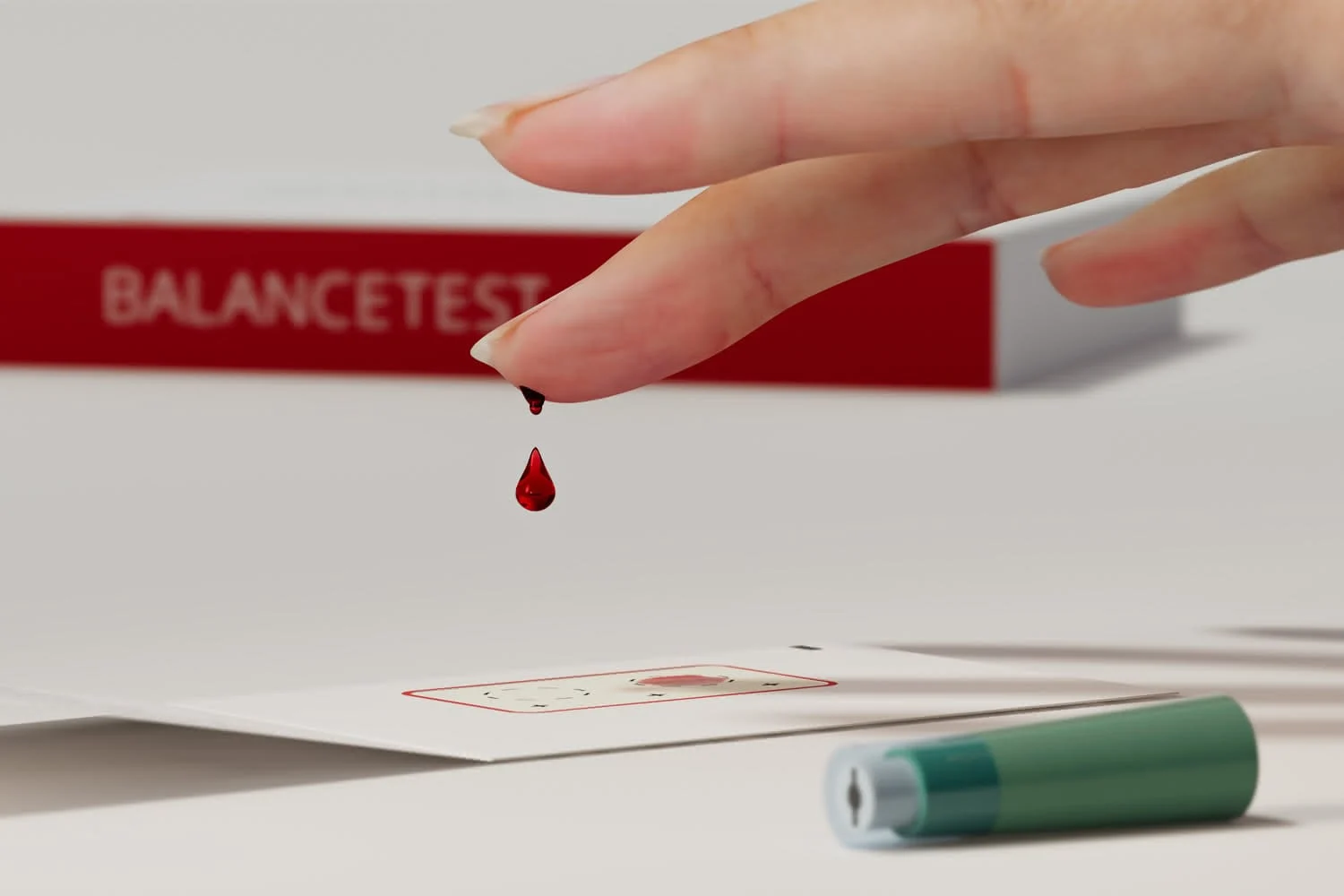
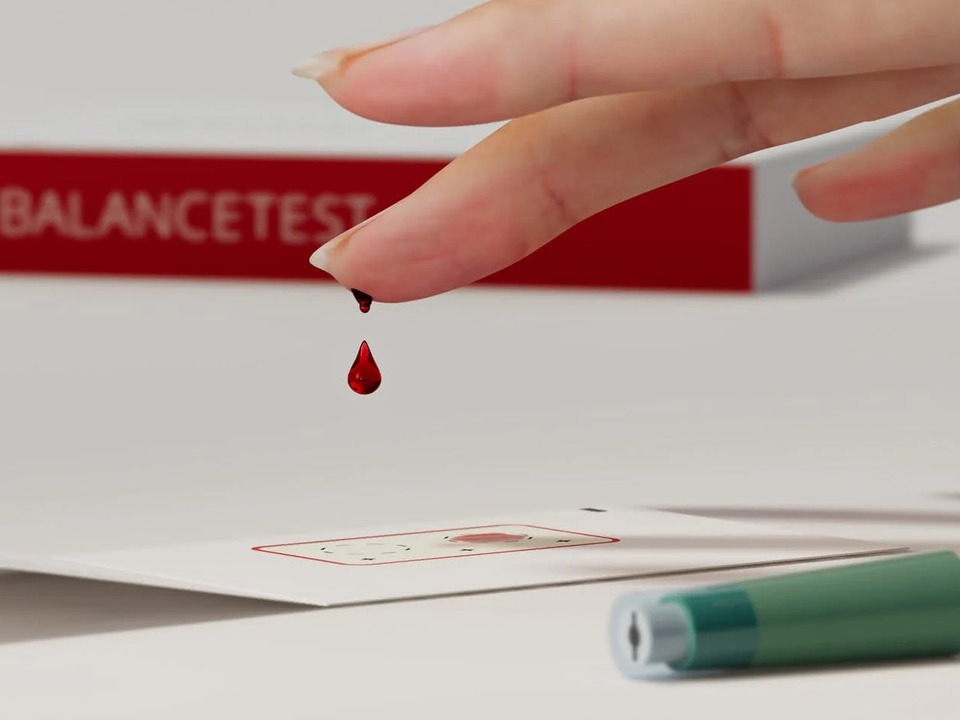
Do a simple finger-prick test at home, send the dried blood-spot to independent lab Vitas, and receive your results securely online in about 10–20 days. At the same time, start your daily BalanceOil+ routine.
Learn how to take the test ↗
Take 0.15 mL/kg BalanceOil+ daily, as recommended on the bottle. Marine omega-3s together with olive polyphenols are designed to protect the fatty acids on their way to your cells and support a normal Omega-6:3 balance over time.
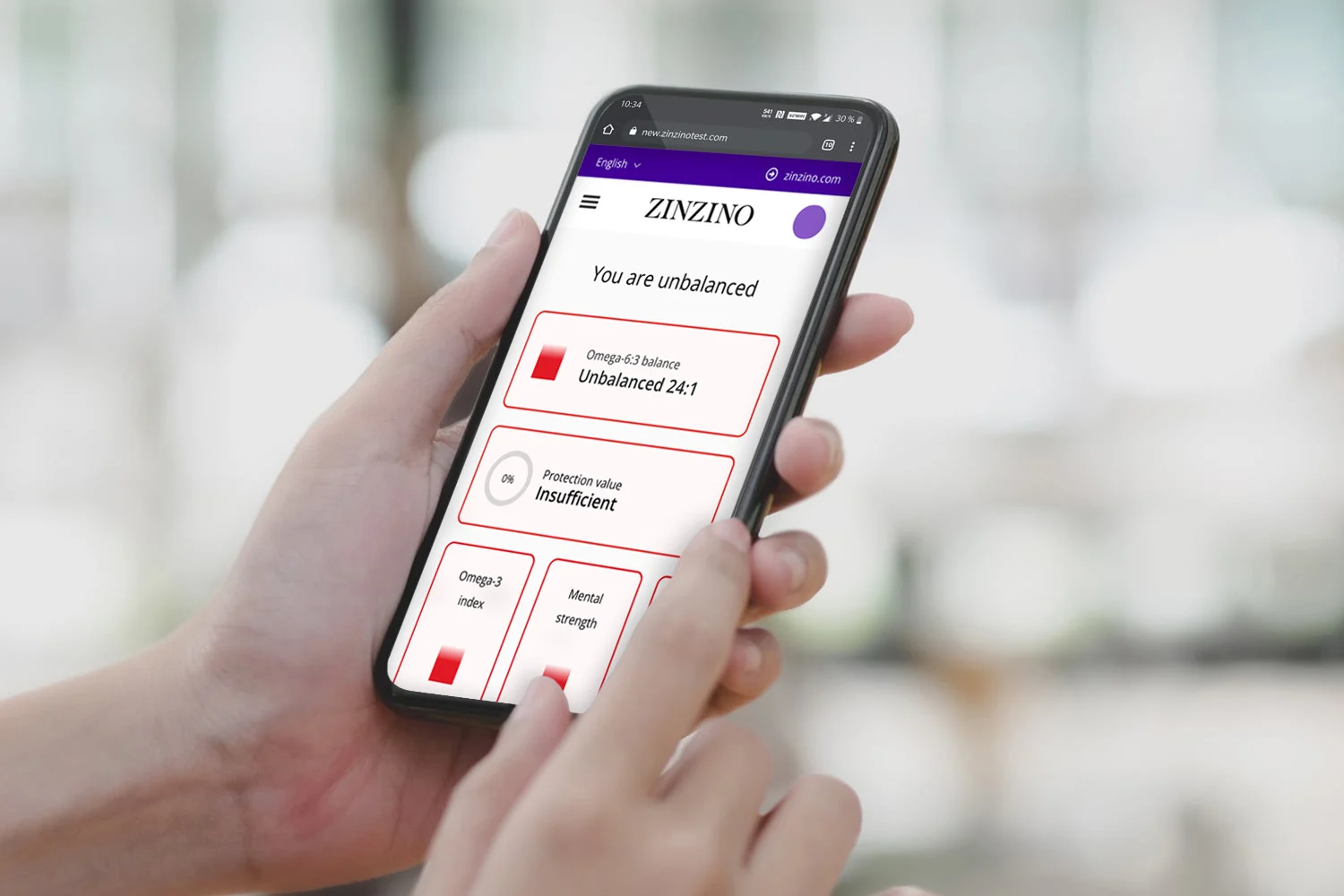
When your results arrive, see your starting Omega-6:3 ratio and supporting markers. Most people discover their ratio is far from the recommended range — this is your personal baseline.

Use your second BalanceTest to see how your Omega-6:3 ratio has changed. This gives you measurable proof of how well your routine is working.
Learn how to take the test ↗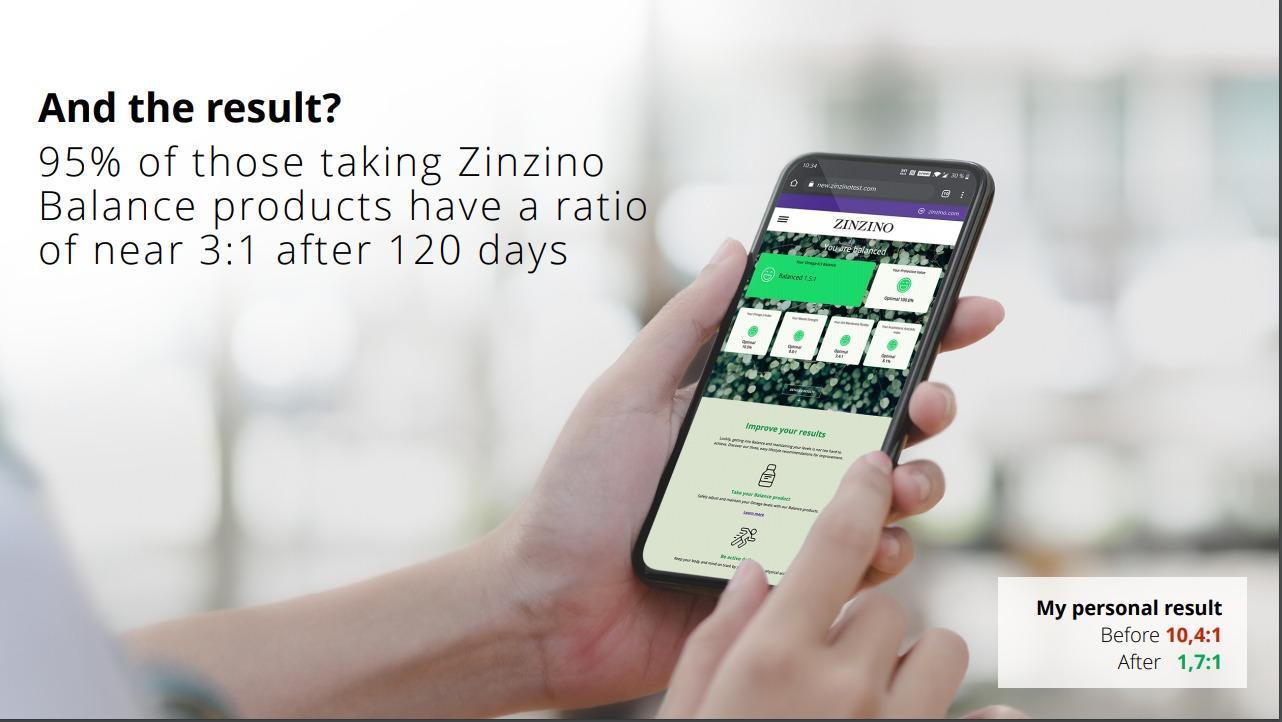
Keep your daily dose and re-test every 4–6 months. This helps you stay in a healthy range and adjust your intake if your lifestyle or needs change.
1.5+ million tests • 15+ years of science • Personal guidance through your journey
Millions have discovered what their numbers reveal.

Behind every balance — there’s a personal journey.
For me, it actually started with a single test I mainly took to prove that nothing would change.
I was already curious about natural health, but I had never heard of the Omega-6:3 balance before.
— Jasser O. Schou
For almost four years my brother kept telling me the same thing: “You should take the test. You should get your Omega balance checked.” I was already curious about natural health and took different supplements from time to time, so in my mind I was doing okay.
I had never heard of the Omega-6:3 balance before, so I stayed sceptical and carried on as usual.
In 2016 I finally said yes — mainly to prove that nothing special would happen. I ordered the test, did the small finger-prick at home and sent the dried blood-spot to the lab, fully expecting the results to show that I was fine.
At the same time, I started taking BalanceOil+ every day exactly as stated on the bottle together with Xtend (Multi Immune Supplement), and I did not change any of my other habits.
No new diet, no extra exercise plan. I wanted to see if this routine alone would make a measurable difference even if everything else stayed the same.
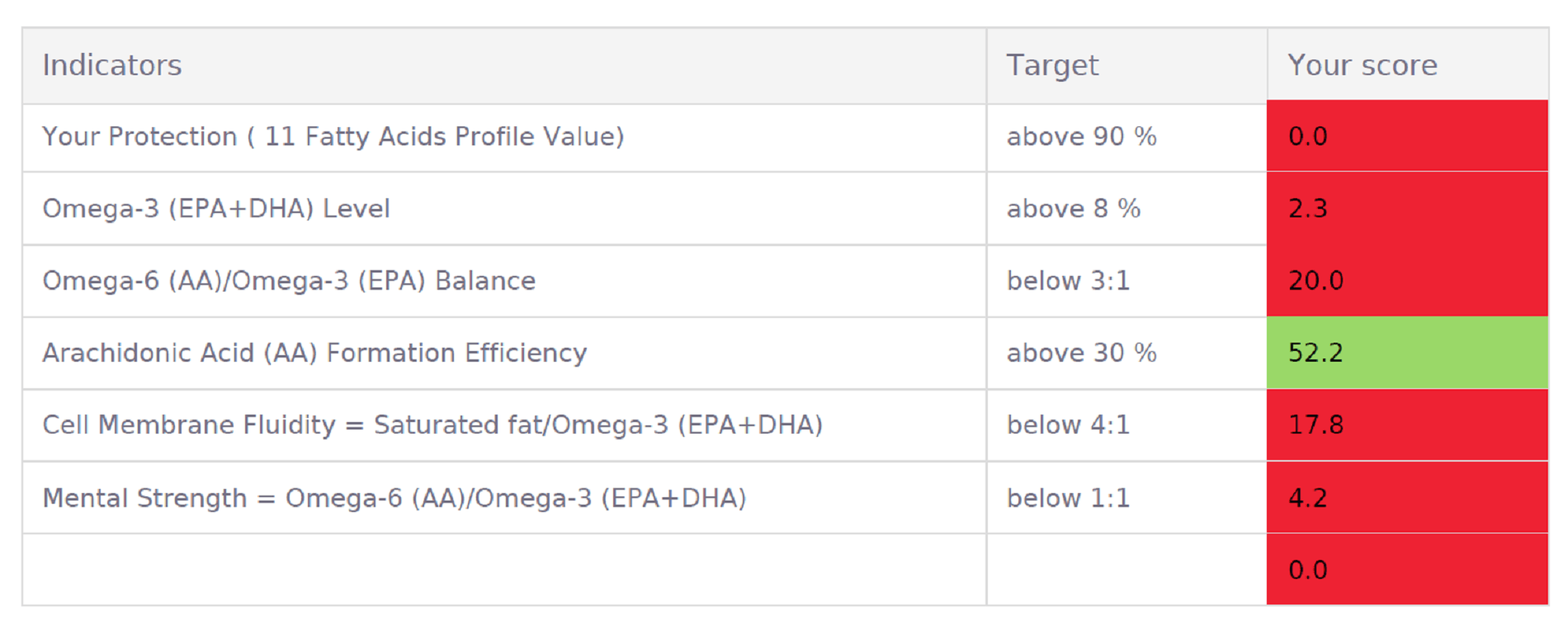
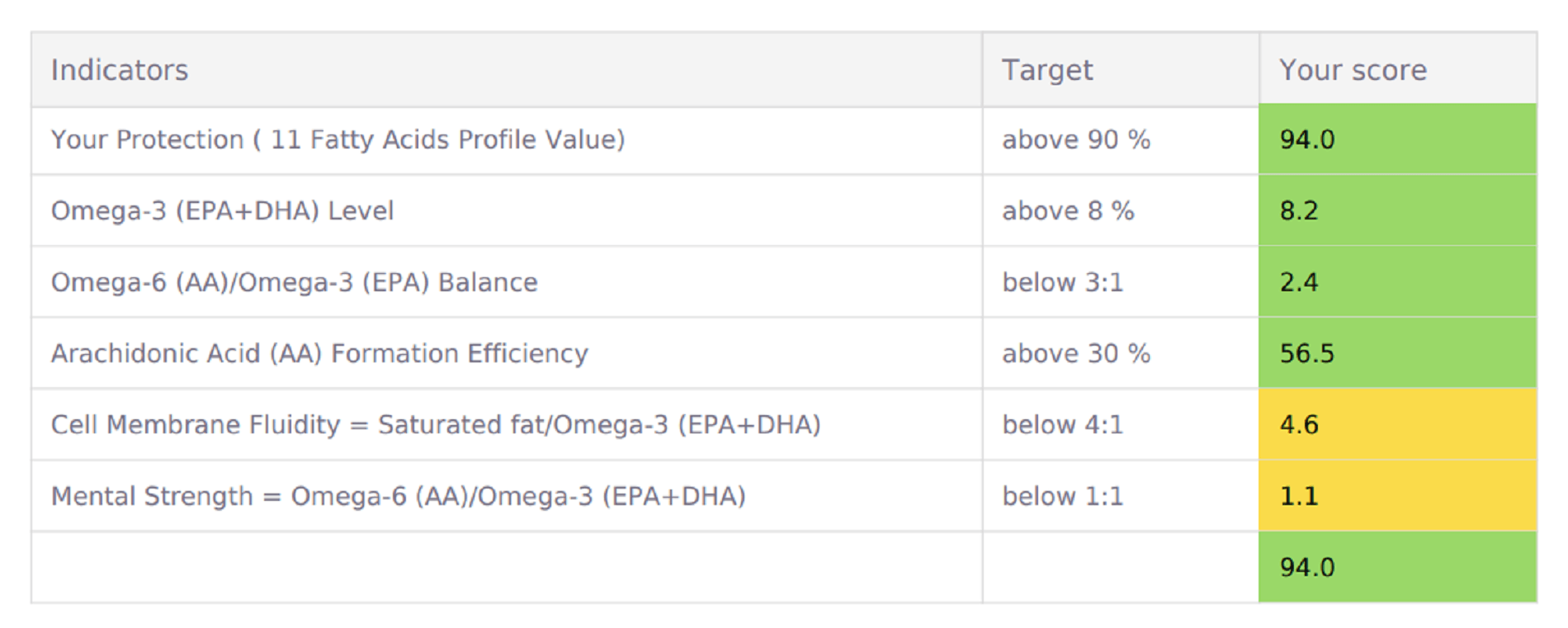
My first BalanceTest in 2016 showed an Omega-6:3 ratio of 20 : 1 and an Omega-3 level of just 2.3 %. Four months later, my second test told a very different story:
| Indicator | Before | After 4 months | Target value |
|---|---|---|---|
| Your Protection (11 Fatty Acids Profile Value) | 0 % ⚠️ | 94 % ✅ | above 90 % |
| Omega-3 (EPA+DHA) Level | 2.3 % ⚠️ | 8.2 % ✅ | above 8 % |
| Omega-6 (AA) / Omega-3 (EPA) Balance | 20 : 1 ⚠️ | 2.4 : 1 ✅ | below 3 : 1 |
| Cell Membrane Fluidity = Saturated fat / Omega-3 (EPA+DHA) | 17.8 ⚠️ | 4.6 🟡 Almost there | below 4 : 1 |
| Mental Strength = Omega-6 (AA) / Omega-3 (EPA+DHA) | 4.1 ⚠️ | 1.1 🟡 Almost there | below 1 : 1 |
Both tests were analyzed by Vitas Analytical Services in Oslo, measuring 11 key fatty acids including EPA, DHA and AA. For me, this was strong proof that balance isn’t about belief — it’s biology you can measure.
These are my personal test results. Individual responses and test values will always vary, and no specific outcome can be guaranteed.
Curious how these results connect to a full wellness routine?
Learn more about the full Health ProtocolEarn credits with ZinoCash — and get your monthly Premier subscription free with Zinzino4Free.

Earn credit from purchases and shipping returns. Use it on extra products — simple and automatic.
Refer friends to earn Zinzino4Free. When your four Customers’ combined monthly subscriptions reach 4× your own, your Premier subscription is free — shipping not included.
Terms apply. Credits and eligibility are calculated automatically by Zinzino.